
Folk Dances of Uttarakhand
What are the Folk dances of Uttarakhand?
The traditional Folk dances of Uttarakhand include the Jhora dance, Pandav Nritya, These Folk dances of Uttarakhand represent the divisions like Kumaoni and Garhwali traditions, performed during festivals, weddings, and religious ceremonies to celebrate harvests, valour, and devotion.Chappeli dance, and Hurka Baul dance.
These Folk dances are broadly divided into Kumaoni folk dances and Garhwali folk dances.
The majority are performed in groups and are strongly associated with seasonal celebrations like Basant Panchami, Harela, and local fairs (melas). They are accompanied by traditional instruments such as the dhol, damau, and hurka.
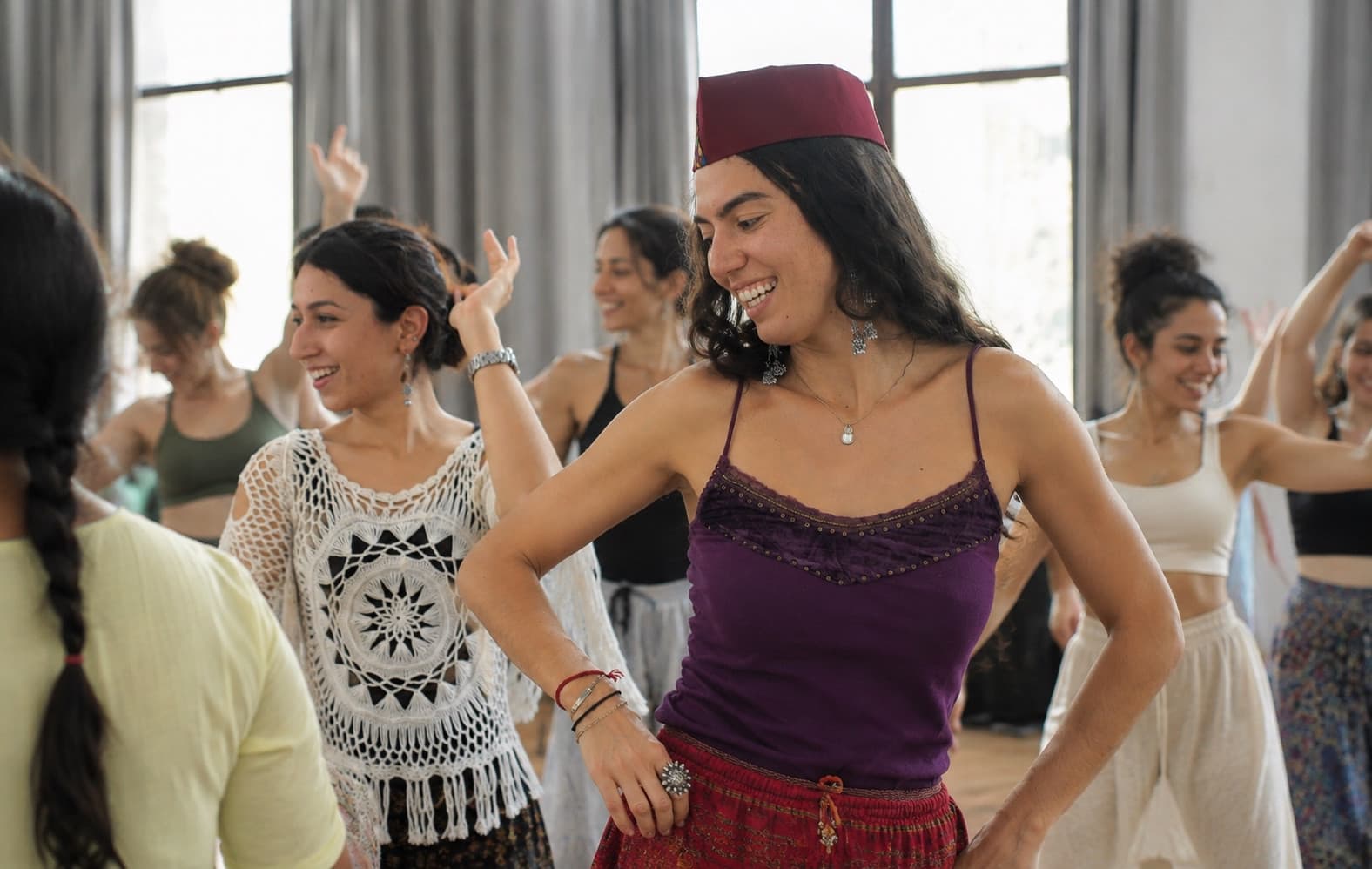
Folk dances of Uttarakhand
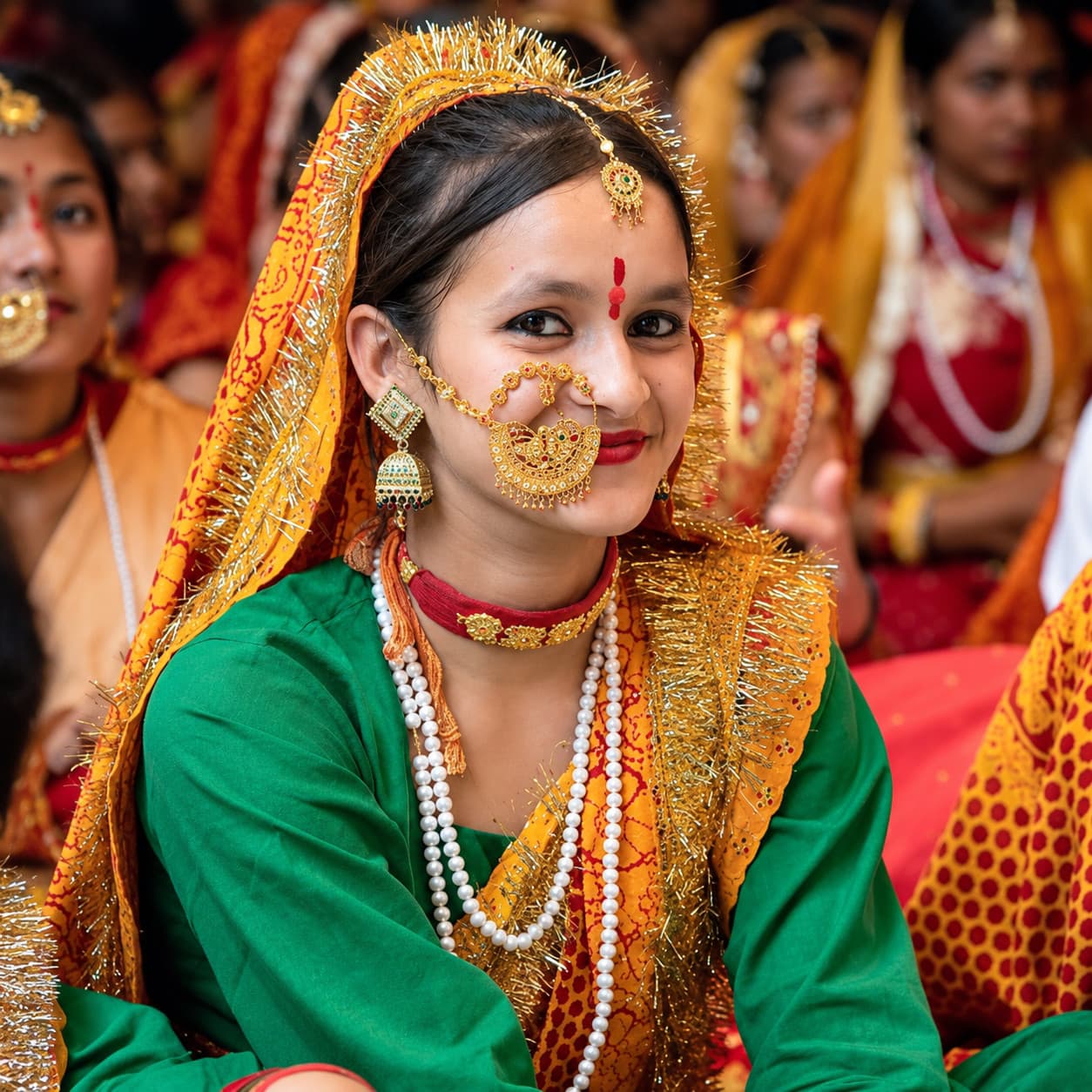
Traditional Attire of Uttarakhand
What are the Traditional dances of Uttarakhand, and What Do They Represent?
The Traditional dances of Uttarakhand originate from ancient agricultural, marital, and religious practices of the people living in the hilly areas of the Himalayas.
Pandav Nritya reenacts incidents from the Mahabharata, Jhora honours community harvest and social ties, and dances like Chholiya are rooted in Rajput warrior traditions.
| Chholiya | Kumaon | Warrior dance performed at weddings |
| Pandav Nritya | Garhwal | Ritual dance depicting Mahabharata legends |
| Jhora | Kumaon | Harvest and community celebration |
| Langvir Nritya | Garhwal | Acrobatic dance showing physical skill |
| Chappeli | Kumaon | Romantic folk dance with love ballads |

योगस्थः कुरु कर्माणि सङ्गं त्यक्त्वा धनञ्जय।
सिद्ध्यसिद्ध्योः समो भूत्वा समत्वं योग उच्यते॥
By being established in Yoga, O Dhananjaya, undertake actions, casting off attachment and remaining equipoised in success and failure. Equanimity is called Yoga.
“Bhagwat Gita Chapter 2, Verse 48”
How Many Folk Dances Does Uttarakhand Have?
The most well-known of Uttarakhand's more than fifteen recognised folk dance styles include Chholiya, Jhora, Langvir Nritya, Chappeli, Barada Nati, Pandav Nritya, Jhumailo, and Hurka Baul.
Because many communities have regional variations of these fundamental dance traditions, the precise number varies by region.
- Kumaon region: Jhora, Chappeli, Hurka Baul, Chholiya
- Garhwal region: Langvir Nritya, Pandav Nritya, Barada Nati, Jhumailo
Many of these dances have sub-variants performed differently across districts like Almora, Pithoragarh, Chamoli, and Tehri.
Facilities We Provide
Free Pickup
Enjoy a stress-free arrival with our complimentary shuttle service from Dehradun's Jolly Grant Airport directly to Sriezaa Yogshala.
Free WiFi
Stay connected with high-speed internet throughout the campus, making it easy to share your journey or handle essential tasks.
Sattvic Meal
Nourish your body with organic, balanced Sattvic meals prepared daily to enhance your energy, clarity, and overall yogic practice.
Accommodation
Choose between private and shared rooms. Both feature serene décor and everything needed for deep, restful sleep.
Garhwali vs Kumaoni Folk Dances: What's the Difference?
Garhwali folk dances (like Langvir Nritya and Pandav Nritya) tend to be acrobatic or ritualistic, often tied to mythology. Kumaoni folk dances (like Jhora and Chappeli) are typically community-based, celebrating harvests and social gatherings with group singing and rhythmic movement.
| Garhwali | Kumaoni | |
|---|---|---|
| Style | Ritualistic, acrobatic | Community, celebratory |
| Popular Dance | Langvir Nritya | Jhora |
| Occasion | Religious festivals | Harvest, fairs |
| Instruments | Dhol, damau | Hurka, dhol |
What is Uttarakhand's cultural heritage?
Uttarakhand's cultural heritage is shaped by its Himalayan geography, blending Kumaoni and Garhwali traditions across religion, folk arts, festivals, cuisine, and community life.
Key Pillars of Uttarakhand's Cultural Heritage
Folk dances of Uttarakhand & Music
Chholiya, Langvir Nritya, Jhora, and Pandav Nritya (covered earlier) sit alongside folk music traditions like Jagar (ritual invocation songs) and Bajuband and Khuded love ballads.
Folk dances of Uttarakhand & Music
- Harela – celebrates the onset of monsoon and agriculture.
- Basant Panchami – welcomes spring.
- Nanda Devi Raj Jat Yatra – a massive pilgrimage held once every 12 years, honouring goddess Nanda Devi.
- Kumbh Mela (Haridwar) – one of the world's largest religious gatherings
- Phool Dei – children's flower festival marking the new year
Religious & Spiritual Heritage
Home to the Char Dham (Badrinath, Kedarnath, Gangotri, Yamunotri), Uttarakhand is often called "Dev Bhoomi" (Land of the Gods). Temples, pilgrimage routes, and Himalayan ashrams are central to its identity.
Handicrafts
- Aipan (ritual floor/wall art, similar to rangoli)
- Ringal (bamboo) basketry
- Wool weaving — shawls, carpets, and Pashmina-style textiles from Munsyari and Bhotiya communities
Cuisine
Traditional dishes like Kafuli, Bhatt ki Churkani, Jhangora ki Kheer, and Baadi reflect the region's mountain agriculture and millet-based diet.
Architecture
Traditional Kumaoni and Garhwali homes feature carved wooden facades, slate roofs, and stone construction adapted to Himalayan terrain.
Traditional Attire of Uttarakhand
Uttarakhand’s traditional attire reflects the simplicity and beauty of Himalayan culture.
- Women: Sarees, ghagra, traditional drapes, and colourful dresses, often paired with silver jewellery such as nose rings, necklaces, earrings, and bangles.
- Men: Kurta-pyjama, dhoti, churidar, traditional caps, and woollen shawls.
Everything You Need
What's Included & Excluded
What is Included?
What is Excluded?
What To Bring?
Clothes
- Please carry a white dress for the course ceremony.
- As for yoga gear, we recommend carrying a couple of pairs of leggings or yoga pants and supportive tops, especially if you have a favourite style.
- Pants (for yoga, town, travel, hiking)
- Tops (for yoga, short or long-sleeved shirts for other activities)
- Outer layer (sweatshirt or light jacket/fleece)
- Sleepwear
- Sandals or flip-flops
- Please carry a bath towel.
Toiletries
- Carry essentials like deodorants, mosquito repellents, and sanitary towels; these are all you can buy from the nearby shop locally.
- Generally, things like soap or shampoo you can carry with you. Also you can buy from the nearby shop.
Medicines
- Yoga Schools usually offer Sattvic vegetarian meals. If you are not used to a completely vegetarian meal, we recommend carrying your supplements or multivitamins.
- In addition, carry your supply of prescription medicines, medicines for allergies, flu, muscle pains or even eye drops for dryness.
Plan Your Journey
Course Dates & Fee
Available batch dates
1 Day
Total Program Fee (Including Room & Food)
Stay with Us
Accommodation & Food
Accommodation
- Private & Shared Rooms
- 24×7 security and basic amenities
- Free Parking Space (Sriezaa Yogshala holds one of the biggest parking lots in the valley compared to other yoga schools.)
Food
- Fresh Sattvic vegetarian meals.
- Prepared with natural ingredients.
- Supports detox and mental clarity.
Comfortable stay in the heart of Rishikesh
Sriezaa Yogshala is surrounded by the blessings of the majestic Himalayas, with the flowing river Ganga by its side, singing the never-fading stories of the spiritual journey of our ancient sages. The essence of the open garden in Sriezaa Yogshala fills you with the spirit of high energy and enlightenment. This peaceful space is designed to support rest, reflection, and rejuvenation, allowing you to restore your energy before and between your training sessions. Sriezaa Yogshala provides you with a big parking space and 24/7 security so you could get lost in the journey of self transformation without any fear of losing your materialistic worries.
Private Room:


Shared Room:


Sattvic Meals:
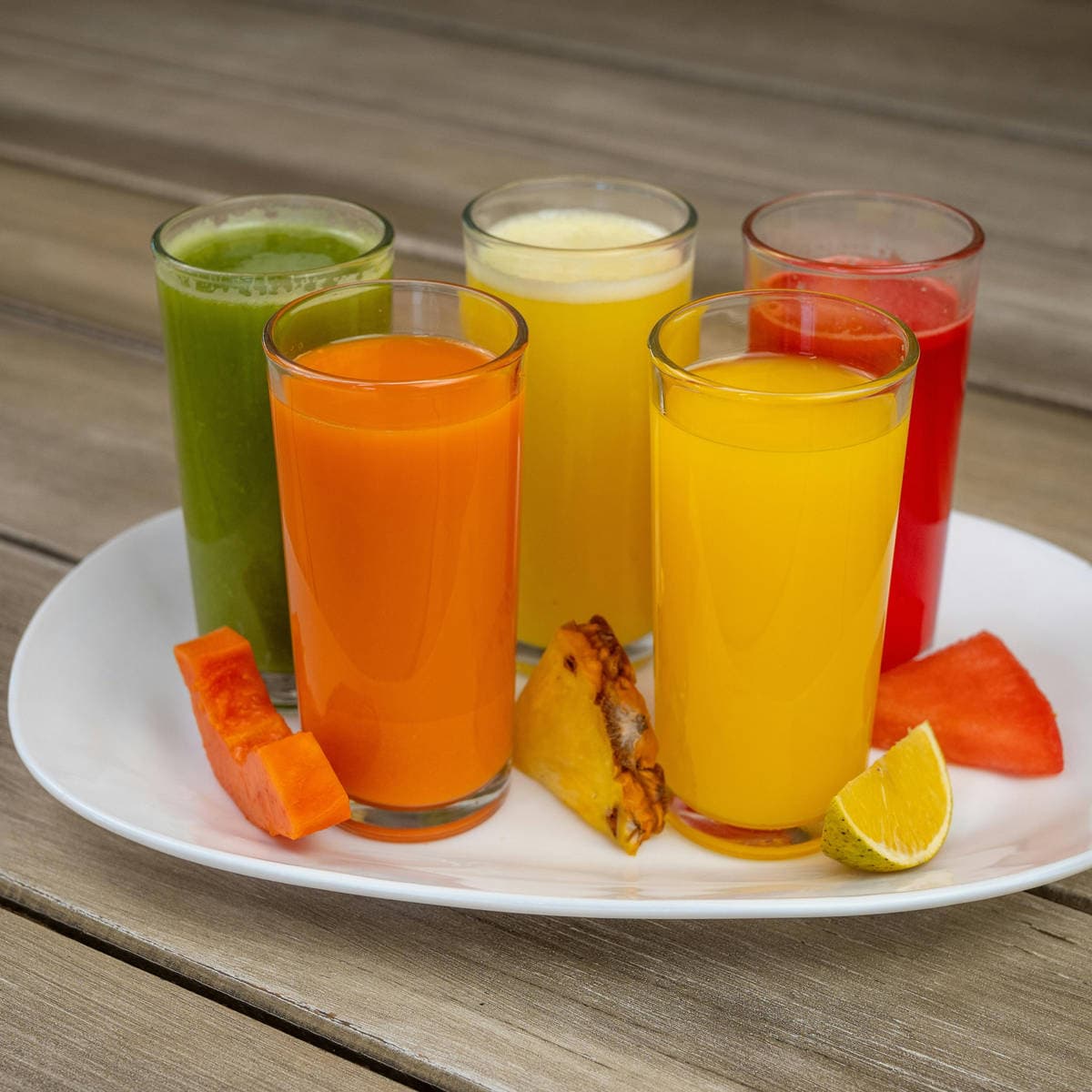
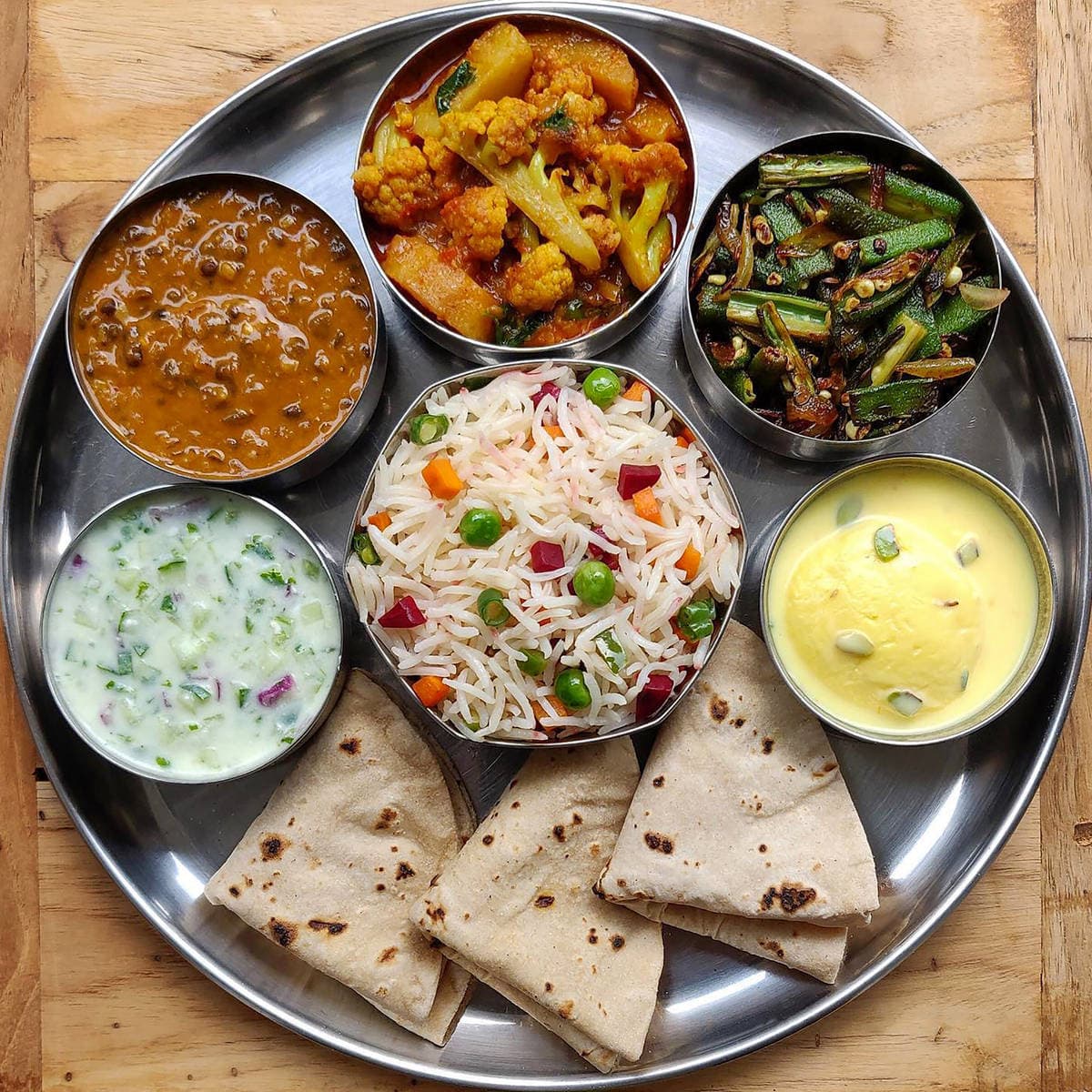

Nourishing Meals for Yogic Lifestyle
At Sriezaa Yogshala, food is considered an important part of the yogic journey. We serve you the Sattvic food to embrace your yogic journey. The food in Sriezaa Yogshala is prepared according to the traditional and authentic values of the ancient Vedic culture, which helps you to attain the peace and calmness of your mind through the journey. Sriezaa Yogshala is not only a school to attain the yogic practices, but also helps you to attain the Sattvic Tatva from the inner self, and for that, our food structure is designed according to the ancient Vedic culture, which keeps you calm and light throughout the journey of self-transformation.
आयुःसत्त्वबलारोग्यसुखप्रीतिविवर्धनाः।
रस्याः स्निग्धाः स्थिरा हृद्या आहाराः सात्त्विकप्रियाः॥
Persons in the mode of goodness prefer foods that promote life span and increase virtue, strength, health, happiness, and satisfaction. Such foods are juicy, succulent, nourishing, and naturally cultured.
"Bhagavad Gita: Chapter 17, Verse 8"
Meals are prepared using wholesome ingredients such as whole grains, lentils, fresh vegetables, fruits, and natural spices that help to maintain energy, clarity, and balance. We avoid heavy and overly processed foods to promote a calm mind, inner stillness, and a healthy body, supporting your yoga practice at every step.
Before You Arrive
Travel Guide to Rishikesh
By Airways
The nearest airport is Jolly Grant Airport (Dehradun), a short drive from Rishikesh. The city is well planned and connected by roads. Distance: 20 to 22 km (Rishikesh city centre). Pickup and travel assistance can be arranged on request.
By Roadways
If you are more like a travelling person and want to enjoy a journey through the different cities and towns of India, you can travel from Delhi Airport to Rishikesh via bus. Distance: 240 km, Travel Time: 5-7 hours. Pickup and travel assistance can be arranged.
By Railways
India has one of the largest train networks in the world. You can travel to Rishikesh through various cities and states via the railways. There are many trains that run from Delhi to Yog Nagri Rishikesh to the main Rishikesh railway station itself. Distance: 230-250 km from Delhi. Time Duration: 6-8 hours. Pickup and travel assistance can be arranged on request.
Facilities in Locality
Nearby Stores — Grocery shops, pharmacies, cafés, and essential stores are easily accessible near the school.
Important Notes
Currency Exchange
Local currency is Indian Rupees (INR). ATMs and exchange services are available at airports, banks, and nearby towns. Cards are widely accepted.
Plugs in India
India uses Type C, D & M plugs (230V / 50Hz). A universal adapter is recommended for international students.
Local SIM Card
SIM cards are available at the airport or nearby stores with a passport and a visa copy. Helpful for the internet, calls, and navigation during your stay.
Conclusion
The folk dances of Uttarakhand are a vibrant expression of the region’s rich cultural heritage, reflecting the traditions, beliefs, and collective spirit of its people. Whether performed during festivals, religious ceremonies, or social gatherings, these dances unite communities, preserve ancient stories, and celebrate the unique identities of Kumaon and Garhwal. By honouring their folk traditions, the people of Uttarakhand continue to keep their cultural legacy alive for future generations.
Got Questions?
Frequently Asked Questions
The main folk dances include Jhora, Chholiya, Chappeli, Pandav Nritya, Langvir Nritya, Barada Nati, Jhumailo, and Hurka Baul. They fall broadly under Kumaoni and Garhwali traditions and are performed during festivals, weddings, and religious ceremonies to mark harvests, valour, and devotion.
Uttarakhand has more than fifteen recognised folk dance styles, with the most well-known being Chholiya, Jhora, Langvir Nritya, Chappeli, Barada Nati, Pandav Nritya, Jhumailo, and Hurka Baul. The exact count varies by region since many communities have their own local variants.
Garhwali dances (like Langvir Nritya and Pandav Nritya) are typically ritualistic and acrobatic, often tied to mythology and performed at religious festivals with instruments like dhol and damau. Kumaoni dances (like Jhora and Chappeli) are more community-based and celebratory, centered on harvests and fairs, accompanied by hurka and dhol.
Pandav Nritya is a ritual dance from the Garhwal region that reenacts incidents and legends from the Mahabharata, keeping the epic's stories alive through performance during religious occasions.
Traditional instruments like the dhol, damau, and hurka accompany most folk dances, providing the rhythmic base for group performances during festivals, weddings, and seasonal celebrations such as Basant Panchami and Harela.